
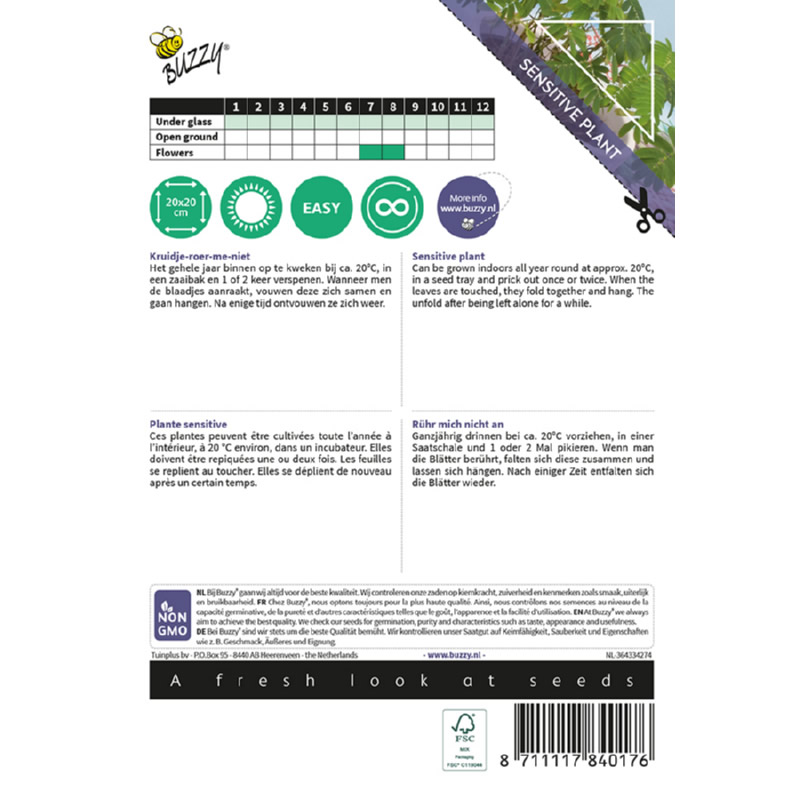

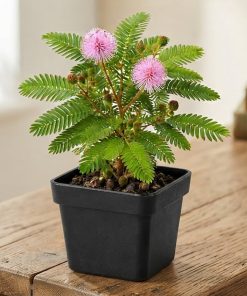
Buzzy Touch-Me-Not Mimosa seeds 0.2g
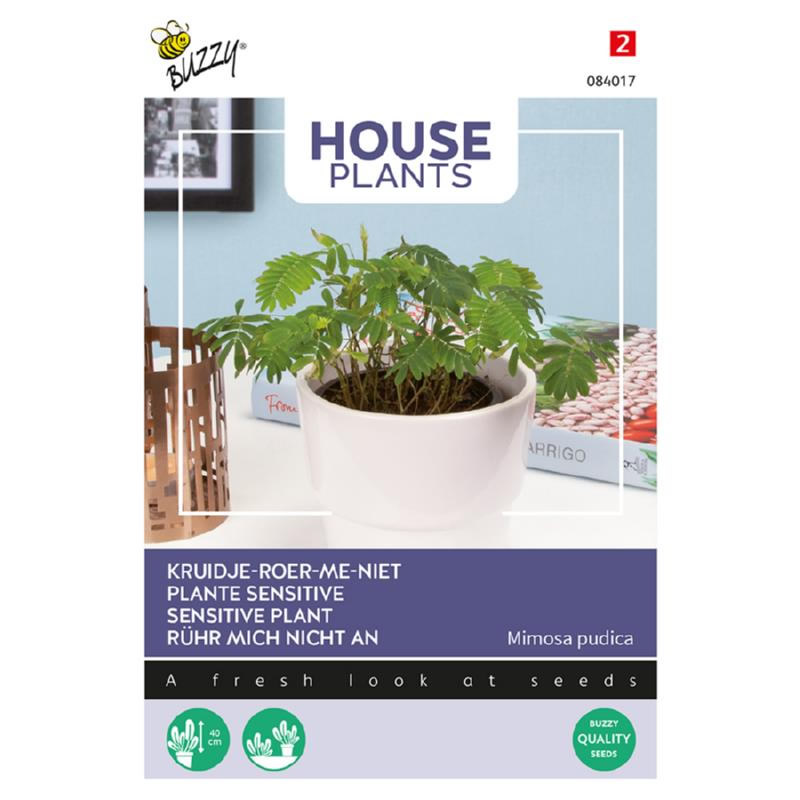
Buzzy Touch-Me-Not Mimosa seeds 0.2g — Buzzy Mimosa pudica Seeds | Touch-Me-Not Mimosa | Sensitive Plant Seeds. Buzzy House Plant Touch-Me-Not Mimosa Seeds. Available from Mallorn’s vegetable seeds range.
Code: 084017
€2.29
In stock
Plant Overview
Buzzy Touch-Me-Not Mimosa seeds 0.2g
Overview
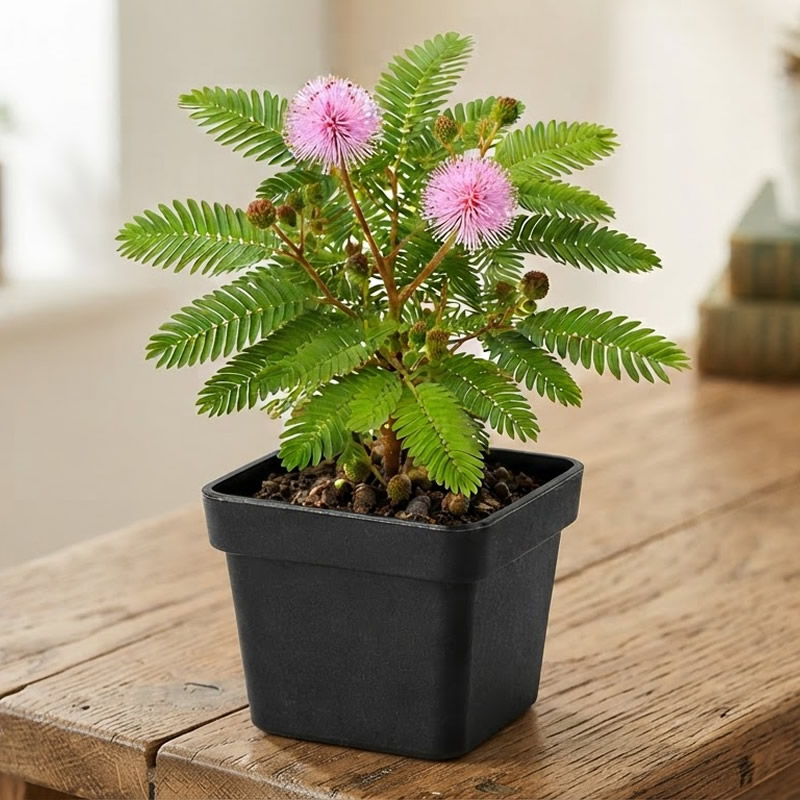
Buzzy Touch-Me-Not Mimosa seeds 0.2g is supplied for home growing. Grow one of nature’s most fascinating houseplants with Buzzy House Plants commonly known as Touch-Me-Not Mimosa, Sensitive Plant, or Shameplant. Famous for its remarkable movement, the delicate fern-like leaves instantly fold closed and droop when touched before gradually reopening a few minutes later. Native to tropical regions, this fast-growing plant makes a captivating indoor specimen and is a favourite with children and plant enthusiasts alike.
Key Features
- Buzzy House Plant Touch-Me-Not Mimosa Seeds.
- Fascinating leaves that fold when touched.
- Also known as Touch-Me-Not, Sensitive Plant and Shameplant.
- Easy to grow indoors all year round.
- Attractive fern-like foliage with delicate pink fluffy flowers.
- Ideal as a houseplant or educational plant for children.
- Indoors: January – December
- Under warm, bright conditions, mature plants produce attractive pink, fluffy pom-pom flowers during summer.
- Prefers warm temperatures between 20–25°C.
- Avoid repeatedly touching the leaves, as frequent closing uses energy that the plant needs for healthy growth.
- Whether you know it as Touch-Me-Not, Sensitive Plant, or Shameplant, Mimosa pudica is guaranteed to spark curiosity. Watching its leaves respond to touch is a fascinating demonstration of plant movement, making it a unique conversation piece and one of the most entertaining houseplants you can grow.
Sowing Instructions
- When to Sow.
- Sow seeds in a tray filled with moist seed compost and cover lightly with a thin layer of compost or vermiculite. Keep at approximately 20°C in a bright location. Maintain consistent moisture without waterlogging. Transplant seedlings into individual pots once large enough to handle and repot as the plant grows.
Growing Conditions and Care
- Position: Bright indirect light or a sunny windowsill
- Grow in bright, indirect sunlight or a sunny indoor position.
- Keep the compost lightly moist but avoid overwatering.
- Protect from cold draughts and temperatures below 15°C.
Harvesting and Use
- Flowering Period: July – August
Product Details
- Botanical Name: Mimosa pudica
- Common Name: Touch-Me-Not, Sensitive Plant, Shameplant
- Plant Type: Tropical houseplant
- Height: Approximately 40 cm
- Contents: Approx. 0.2 grams
- EAN: 8711117840176
Browse vegetable seeds from Mallorn Gardening Supplies for home gardens, allotments and container growing in Ireland.
 |
 |
 |
 |
| Weight | 0.2 g |
|---|





Reviews
There are no reviews yet